Choosing the Right Size When Shopping Online
The best way to choose the right size online is to measure your body first, then compare those numbers with the size chart. This guide makes that process easier.
The best way to choose the right clothing size when shopping online is to start with body measurements, then match them to the brand’s size chart. If you do that carefully, sizing becomes less of a guess and more of a practical decision based on your own body.
At Oraman, clothing is meant to fit into everyday life, not just sit in a cart. That is why knowing your measurements matters more than relying on a size you wore in another brand. If you want to check sizes while reading, keep the size guide open as you go.
Why online sizing needs a different approach
In a store, you can feel the fabric, compare two sizes side by side, and see how a garment sits on your frame. Online, those cues disappear. You only have numbers, photos, and the product description. That is where many sizing mistakes happen.
A shirt that fits one person neatly may feel tight or short on another person of the same height. That is why sizing should always be based on three things: your body, the garment’s cut, and how you want it to fit. A T-shirt category item and a shirt category item may both be your usual size, yet feel very different once worn.
Use your usual size only as a starting point. Then compare it with the measurements on the product page. If you are browsing the full range, start from all products and move into the category that matches what you need.
How to take body measurements correctly
All you need is a soft measuring tape, a mirror, and light clothing. Avoid measuring over thick layers, since that can add extra centimeters and lead to a poor fit. Keep the tape flat, level, and comfortable against the body.
- Chest: Measure around the fullest part of the chest.
- Waist: Measure the natural waist, not where pants usually sit.
- Hips: Measure around the fullest part of the hips.
- Shoulder width: Measure from shoulder point to shoulder point across the back.
- Sleeve length: Measure from shoulder point to the place where you want the sleeve to end.
- Garment length: Measure from the top of the shoulder to the length you prefer.
For hoodies, sweatshirts, and jackets, chest and shoulder width matter most. For trousers and jeans, waist and hips matter more. That is why one chart can never tell the whole story for every garment. If you are looking at hoodies or jackets, make room for layering in your choice.
A practical habit is to save your measurements in your phone. Then, whenever you shop, compare those numbers with the product chart instead of relying on memory. This is especially useful for items like the Basic Hoodie or the Denim Jacket, where fit and room to move both matter.
How to read a size chart properly
A size chart is more than a list of letters and numbers. You need to know what the numbers refer to. Are they garment measurements or body measurements? Chest width, shoulder width, body length, sleeve length, waist, and rise all mean different things. If you do not identify the reference, the chart can be misleading.
If the chart shows garment measurements, the item is usually meant to be a little larger than your body so it can be worn comfortably. If it shows body measurements, you need to compare more carefully and leave less room for interpretation. Always read the product notes and check whether the chart refers to the body or the garment itself.
There are three useful steps:
- Find your main body measurements.
- Compare those numbers with the chart, not with your last purchase.
- If you fall between two sizes, decide whether you want a closer fit or a looser one.
For styles like the Basic T-shirt or the Basic boxy shirt, the cut changes how the size feels on the body. A boxy shirt is meant to sit looser and more structured, while a simple T-shirt may be chosen closer to the body. So do not rely on the size letter alone.
Before you buy, keep the size guide open next to the product page and compare the numbers directly. That is a much more reliable approach than deciding after the package arrives.
What to measure for different types of clothing
Different garments depend on different measurements. Some are shaped by the shoulders and chest, while others depend on the waist, hips, and leg length.
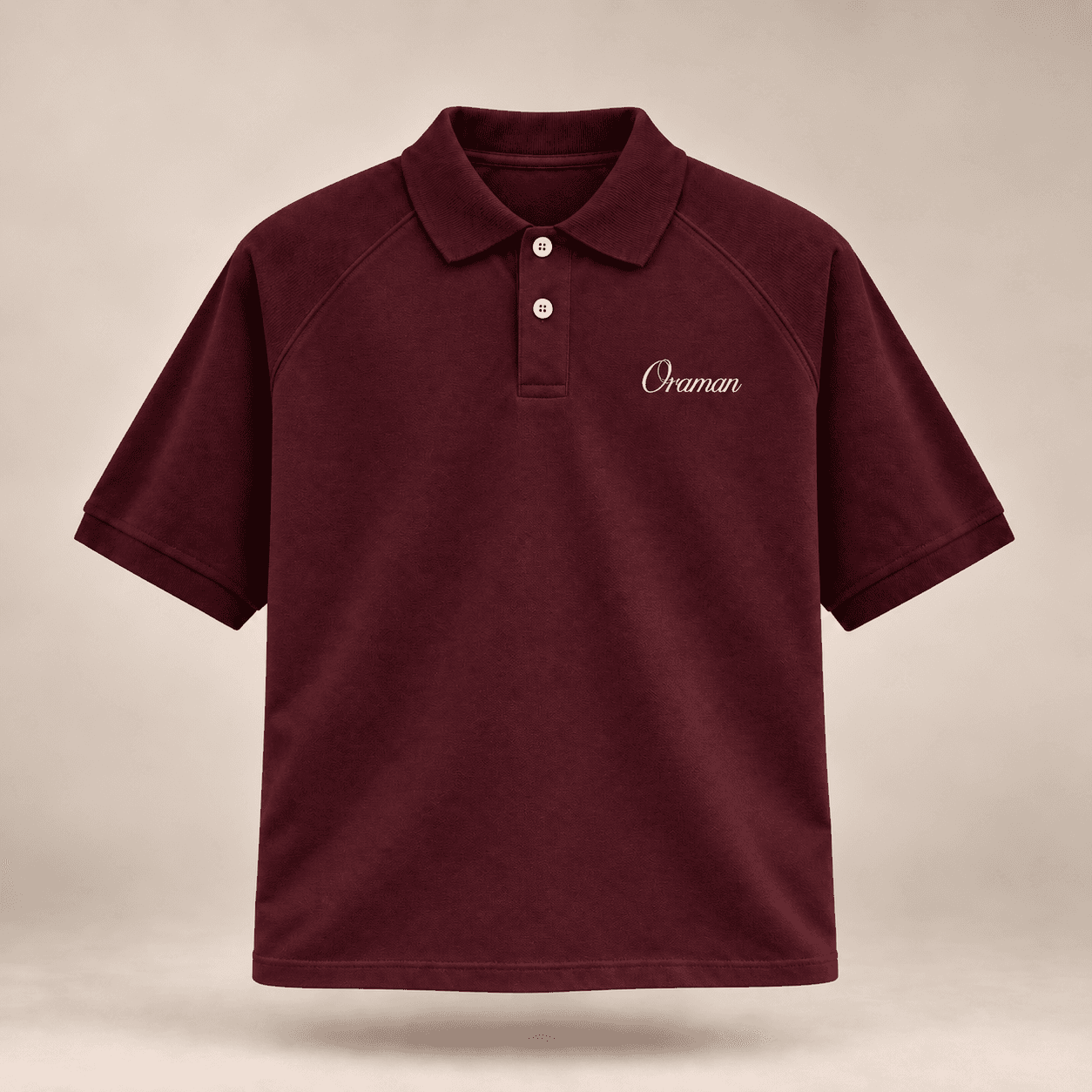
- T-shirts and polo shirts: chest, shoulder width, and body length.
- Hoodies and sweatshirts: chest, shoulder width, sleeve length, and extra room for layering.
- Shirts: shoulder width, collar area, sleeve length, and body length.
- Jeans and trousers: waist, hips, rise, and inseam.
- Jackets and outerwear: shoulder width, chest, and room for another layer underneath.
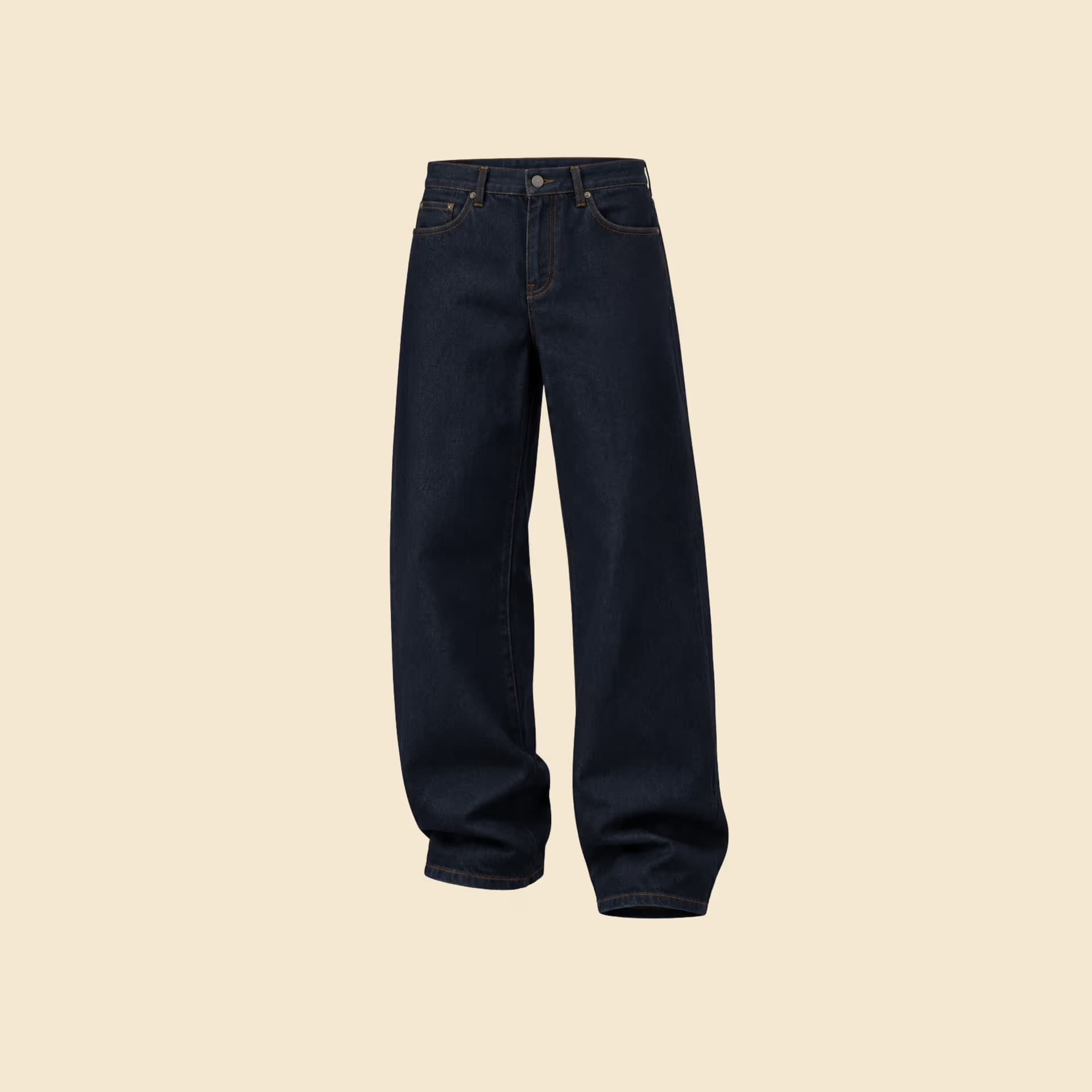
If you shop from the Jean category or Trousers category, do not focus only on the waist. Hips and rise can change how the garment feels and moves. This matters even more in looser fits such as semi-baggy jeans or relaxed joggers, including pieces like the Raw-denim modern semi baggy fit and the Baggy Jogger.
For layered items like the Puffer Jacket or the Zip Hoodie, a little extra room is normal. A size that fits the body exactly may feel restrictive once you wear it over another layer. So the right size is not always the smallest one that technically fits.
Common mistakes to avoid
Several simple mistakes can lead to a poor fit. The first is assuming your size is the same across every brand. It is not. The second is measuring over thick clothing. The third is ignoring the cut of the garment. The fourth is skipping the product description. The fifth is choosing based only on height and not on chest, shoulders, or waist.
Another common mistake is trusting photos too much. Lighting, pose, and camera angle can make a garment look shorter, wider, or more fitted than it really is. Size charts are more reliable than visual guesses. If you are shopping for a piece like the Pullover quarter zip or the Basic short sleeve shirt, compare the actual measurements before you decide.
If you are between two sizes, start with the fit you want. For a cleaner look, check the smaller size that still matches your measurements. For comfort and layering, compare the larger size with the same care.
Fabric and structure also shape the final fit. Some materials hold their shape more, while others drape softly. Two garments with the same size label can still feel different on the body. That is why reading the chart and the product notes together matters.
FAQ
What if I fall between two sizes?
Compare your chest, shoulders, waist, and length with the chart, then choose based on how you want the garment to fit.
Can I just order my usual size?
Not always. Sizes vary across brands, so it is better to measure your body and check the chart for each product.
Which measurements matter most for relaxed-fit pieces?
For hoodies, sweatshirts, and jackets, chest, shoulders, and sleeve length matter most. For trousers and jeans, focus on waist, hips, and rise.