What Is a Polo Shirt? Choosing the Right Fit, Fabric, and Size
A polo shirt sits between a T-shirt and a button-up shirt. This guide helps you choose the right fit, fabric, and size before you buy.
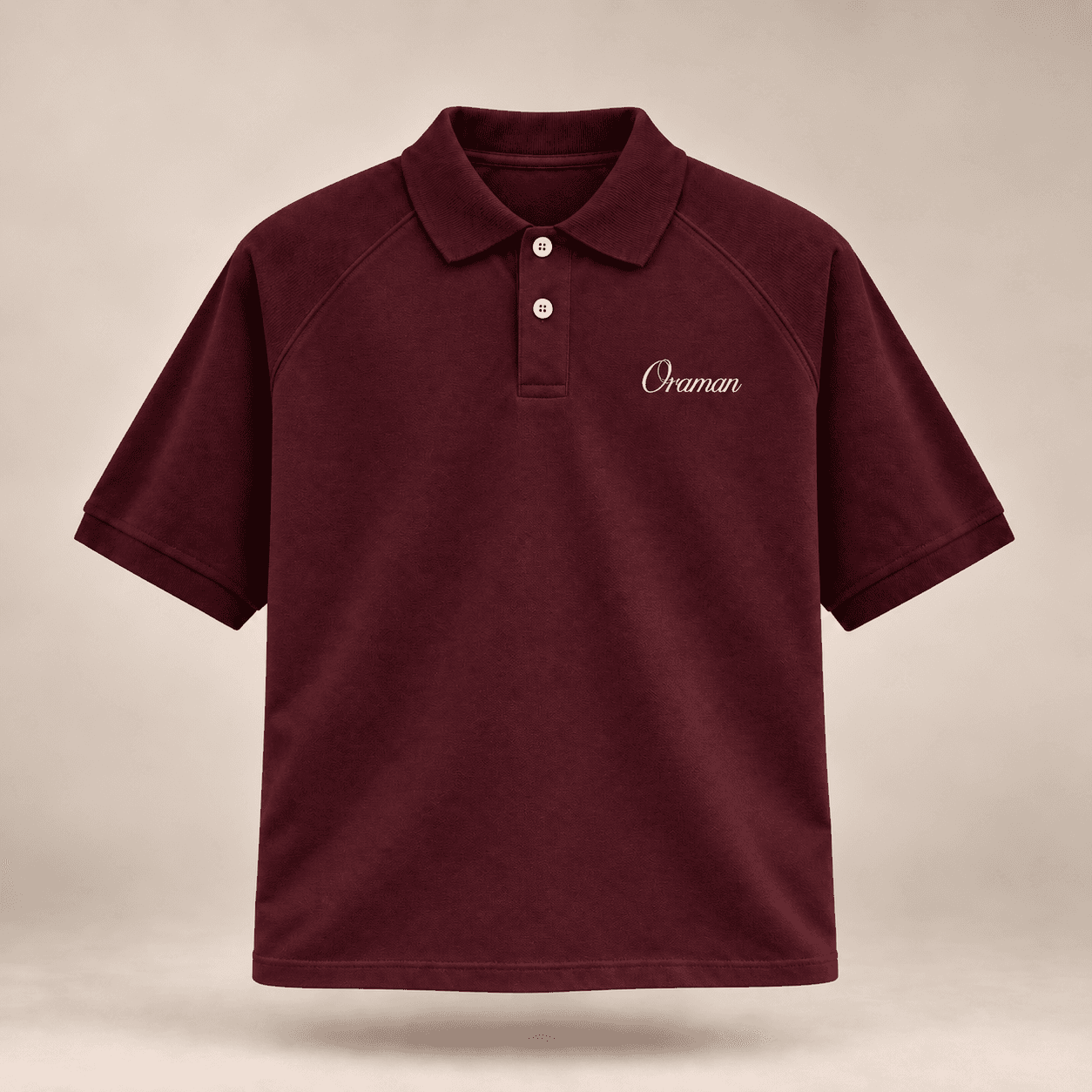
A polo shirt sits between a T-shirt and a shirt: it looks neater than a tee, but feels easier to wear than a button-up. If you are planning buying a polo shirt, the best choice starts with the style you need, then the polo shirt fabric, and finally the right polo shirt size.
That order matters. A polo that looks good on the hanger may feel too stiff, too warm, or too boxy once you wear it. When you match the shirt to your routine, the weather, and the way you like your clothes to fit, you are far more likely to end up with a piece you actually wear often.
What makes a polo shirt different?
A polo shirt usually has a collar and a short button placket at the front. That small change gives it a cleaner look than a T-shirt, while keeping it much more relaxed than a formal shirt. It works well when you want to look neat without feeling overdressed.
That balance is why many people reach for polos for everyday wear, casual office settings, travel, and meetups. If you want to compare options, you can browse the Polo Shirts category or start with the Basic Polo shirt.
How to choose the right polo shirt style
Style is not only about the graphic or color. It also includes the cut, collar shape, sleeve length, and how the body of the shirt falls. A simple, clean polo works best if you want a minimal wardrobe. A slightly different cut or texture can help if you want a bit more personality without moving away from a clean look.
Use these situations as a guide:
- Daily wear: a simple polo with jeans or relaxed trousers.
- Neater outfits: a polo with a cleaner silhouette that works under light layers.
- Active city wear: a cut that leaves room to move and feels comfortable for longer hours.
If you want a straightforward starting point, the Basic Polo shirt is a practical reference. If you are looking for a different feel or visual character, you can also explore the Par L’Art Polo shirt, the Padel polo shirt, and the Mountain polo shirt.
How to judge polo shirt fabric
The fabric affects comfort, drape, breathability, and how the color looks over time. Some fabrics feel lighter and work better in warmer weather. Others hold their shape more firmly and feel better for longer wear or cooler days. When you are comparing polo shirt fabric, do not focus only on softness in the hand. Think about how the shirt will feel after a few hours of wear.
A few questions help narrow it down:
- What season will I wear it in most often?
- Will I wear it for long stretches at a time?
- Do I want a neater look or a softer, more casual feel?
- How often will I wash it?
If you often decide between a polo and a tee, it helps to compare them side by side. A simple tee may suit the most relaxed days, while a polo gives you a slightly more polished option. You can also look through the T-shirts category and the Shirt category to see where a polo fits in your wardrobe.
How to choose the right polo shirt size
The right polo shirt size should let the collar sit naturally, keep the shoulder seams close to the edge of your shoulders, and leave enough room through the chest and waist. If the shirt is too tight, the placket may pull and the whole piece can start to look strained. If it is too loose, the collar and shoulders lose their shape.
Check these three points when trying to decide:
- Shoulders: the seam should sit near the edge of your shoulder, not far down the arm.
- Chest and waist: the shirt should follow your shape without clinging.
- Length: raise your arms and check that the hem does not ride up too much.
If you are between sizes, think about the look you want. For a cleaner appearance, choose the size that fits closer without pulling. For a more relaxed fit, go one size up if that still keeps the shoulders in place. The Size guide can help you compare body measurements with the brand’s sizing. If you want ideas for pairing, the Outfit sets page is a useful place to start.
How to wear and care for a polo shirt
A polo shirt is easy to build into daily outfits. With jeans, it reads casual and dependable. With darker trousers, it looks a little sharper. In cooler weather, it layers well under a Denim jacket or a Bomber jacket.
Care also affects how long a polo keeps its shape. Wash it at a moderate temperature, avoid rough drying that can distort the collar, and use ironing heat that matches the fabric. If you dry it flat or hang it carefully after washing, the collar and shoulders are more likely to keep their shape. It also helps to store it away from textured garments that may rub against the fabric.
When you are buying a polo shirt, the best choice is rarely the one that only looks good in a photo. It is the one that fits your routine, feels right on the body, and works with the rest of your wardrobe. Paying attention to style, polo shirt fabric, and polo shirt size gives you a much better chance of choosing well.
FAQ
When should I wear a polo shirt?
Polo shirts work well for everyday wear, casual office settings, travel, and relaxed social plans. They look neater than a T-shirt and feel easier than a formal shirt.
What kind of fabric is best for warm weather?
Lighter, more breathable fabrics usually feel better in warm weather. Try to judge both the feel of the fabric and how it behaves when worn, not just how it looks.
What if I am between two sizes?
Choose based on the fit you want. If you want a cleaner shape, take the closer fit that does not pull. If you want more room, size up as long as the shoulders still sit correctly. The Size guide can help with the final decision.